How to Build CI/CD Pipeline for Small Projects (Complete Guide)
We’ve all been there—staring at a screen for hours, trying to debug a broken application just because a manual deployment went sideways. When you’re managing a small codebase or flying solo on a project, wrestling with FTP uploads and manual server tweaks is a massive drain on your time and energy. Figuring out exactly how to build ci cd pipeline for small projects is honestly one of the highest-ROI skills you can pick up. It doesn’t just boost your productivity; it keeps your applications remarkably stable.
In this guide, we’ll break down exactly why automated deployments are a game-changer. We’ll walk through a step-by-step approach to setting up a fast, reliable pipeline and highlight the best DevOps tools tailored for smaller teams. Whether you’re pushing updates to a straightforward WordPress blog or rolling out a modern Node.js app, these techniques will help you ship code much faster—and best of all, with zero downtime.
Why Small Projects Need CI/CD
There’s a common misconception that a deployment pipeline is overkill unless you’re running a massive enterprise application. In reality, relying on manual deployments introduces a whole host of technical bottlenecks. Every time you push code by hand, the risk of human error spikes. It’s incredibly easy to forget a critical dependency, skip clearing the cache, or accidentally mix up your environment variables.
On top of that, skipping continuous integration usually means automated testing gets pushed to the back burner. Sure, you might test your code locally. But as we all know, those tiny discrepancies between your local setup and the production server can easily trigger unexpected crashes—the classic “it works on my machine” dilemma.
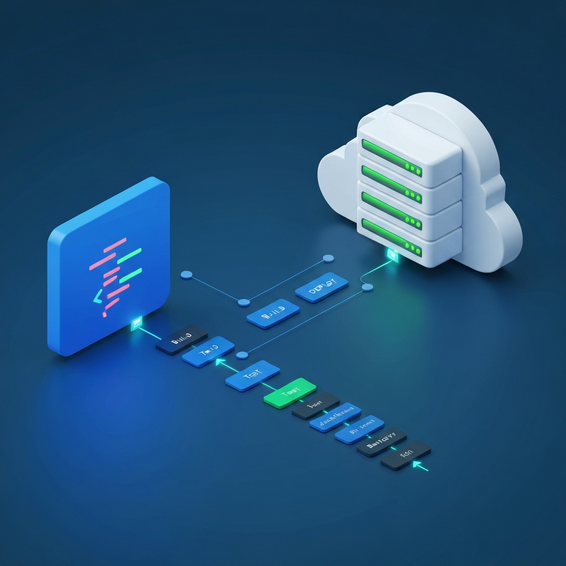
By taking the time to learn exactly how to build ci cd pipeline for small projects, you create a reliable single source of truth. The moment you push code to your repository, the pipeline takes over to automatically test and build your app. From there, continuous delivery steps in, safely pushing your updates to your hosting provider. You won’t even need to touch a server command or stare at a login screen. Ultimately, this proactive workflow means fewer bugs, tighter security, and a much smoother day-to-day development experience.
Quick Steps to Build a Basic CI/CD Pipeline
Starting from scratch? Don’t worry—setting up a deployment pipeline doesn’t have to be a headache. Here are the actionable steps you can take to get your deployment process automated quickly and efficiently.
- Choose a Version Control System: It all starts with your code repository. Platforms like GitHub, GitLab, or Bitbucket serve as the bedrock for your automation. Just make sure your code is organized well and pushed to a remote repo.
- Define Your Testing Strategy: You need to know your code actually works before sending it to production. Set up an automated testing framework that fits your tech stack (think Jest for JavaScript, PHPUnit for WordPress, or PyTest for Python). Start by writing simple unit tests to verify your core features.
- Create a Configuration File: Most modern CI/CD tools run off a straightforward YAML configuration file dropped right into your project’s root directory. Think of this file as a recipe book for your automation server. It provides step-by-step instructions on how to install dependencies, execute tests, and compile your final assets.
- Connect Your Hosting Provider: For smaller projects, you’ll want to securely link your repository to a PaaS (Platform as a Service) like Heroku, Render, or Vercel. Usually, this just requires generating an API token or an SSH key from your host and storing it safely in your CI/CD platform.
- Trigger on Push: Finally, set up the pipeline so it runs automatically the moment you merge code into your main production branch. Once this is dialed in, every single push will kick off the pipeline, giving you truly seamless continuous delivery.
Advanced Solutions for Deployment Pipelines
Once you have the basics running smoothly, you might find yourself wanting to layer in some more advanced DevOps techniques. After all, small projects have a habit of scaling rapidly, and your deployment strategy needs to be able to keep pace.
Implement Docker Containerization
Instead of crossing your fingers and relying on a host server’s specific software versions, try packaging your application into a Docker container. You can configure your CI/CD workflow to automatically build a Docker image and push it to a registry like Docker Hub or GitHub Packages. This ensures your app runs exactly the same way in the wild as it did during testing.
Set Up Multi-Stage Environments
Even if your project is relatively small, deploying straight to production carries some risk. A much safer approach is to use staging environments. You can set your pipeline to deploy development branch changes to a hidden staging server first. This gives you a chance to run manual QA checks before finally merging the code into your main branch for the live release.
Embrace Infrastructure as Code (IaC)
If you want to take your setup to a truly professional level, start managing your server infrastructure with tools like Terraform or Ansible. By integrating Infrastructure as Code directly into your pipeline, necessary server resources—like cloud databases or storage buckets—are provisioned automatically during deployment. If you’re curious about scaling up your systems further, check out our in-depth guide on infrastructure automation techniques.
Best Practices for DevOps in Small Teams
Getting the pipeline built is really only half the battle. Maintaining it means sticking to industry best practices so you can guarantee peak performance and ironclad security for your team.
- Keep the Build Process Fast: A pipeline that takes 20 minutes to finish is going to frustrate your developers and kill your release momentum. Optimize the workflow by caching your dependencies. If you cache your node_modules or Python virtual environments, the server won’t have to waste time downloading them from scratch every single run.
- Secure Your Secrets: Never, ever hardcode your API keys, database passwords, or server credentials directly into your codebase. Instead, lean on your CI/CD platform’s built-in secrets manager. These tools securely inject your sensitive data as environment variables exactly when the build process needs them.
- Fail Fast and Alert the Team: Set up your automated tests to run as early in the pipeline sequence as possible. If a test fails, the pipeline should stop dead in its tracks rather than pushing a broken build to the deployment stage. Hook the pipeline up to your team’s communication tools so everyone gets instant automated notifications.
- Use Branch Protection Rules: Stop developers from pushing code straight to the main branch. Require all changes to go through a formal Pull Request, and set up a strict rule that the CI/CD checks must pass with flying colors before any code can be merged.
Recommended Tools & Resources
Picking the right software is a critical piece of the puzzle when figuring out how to build ci cd pipeline for small projects. You want tools that empower your team without overwhelming them.
- GitHub Actions: This is arguably the best starting point for the vast majority of small projects. It’s completely free for public repositories and provides a very generous allowance of free minutes for private ones. Plus, it integrates flawlessly with your existing GitHub codebase.
- GitLab CI/CD: An absolute powerhouse if you prefer an all-in-one approach to DevOps. GitLab features Auto DevOps capabilities that can practically build your initial pipeline for you, requiring barely any manual configuration.
- Vercel / Netlify: These platforms are a dream come true for frontend projects, headless WordPress builds, and static websites. They offer zero-configuration continuous delivery—you literally just connect your repo, and they handle the heavy lifting.
- Buddy: An incredibly user-friendly tool featuring a highly visual pipeline builder. If you aren’t a fan of writing YAML files from scratch, Buddy is a stellar premium alternative to look into.
Disclosure: A few of the tools mentioned above may contain affiliate links. If you decide to use them, we might earn a small commission at absolutely no extra cost to you. This simply helps us keep creating free technical content!
Frequently Asked Questions (FAQ)
Is CI/CD necessary for small projects?
Absolutely. Even if it feels like overkill on day one, automating your tests and deployments will save you countless hours of tedious debugging down the road. It entirely removes the anxiety of manual server configuration and ensures your live application doesn’t spontaneously break when you roll out a new feature.
What is the easiest CI/CD tool for beginners?
Most developers agree that GitHub Actions is the easiest entry point, primarily because it’s baked right into the GitHub interface. You skip the hassle of signing up for a third-party platform, and you get instant access to thousands of free, pre-built automation templates in their community marketplace.
How much does a basic pipeline cost?
If you’re running a small project, setting up a deployment pipeline will almost certainly cost you nothing. Platforms like GitHub Actions, GitLab CI, and Bitbucket Pipelines feature incredibly generous free tiers—usually around 2,000 to 3,000 build minutes every month. That’s more than enough runway for solo developers and small IT squads.
What is the difference between CI and CD?
Continuous Integration (CI) refers to the automated practice of building and testing your code the second you make a change. Continuous Delivery (CD) is the automated follow-up step that securely pushes that properly tested code out to your staging or live production servers.
Conclusion
Leaving manual deployments in the past is honestly one of the best technical leaps you can make as a developer. By fully embracing continuous integration and continuous delivery, you immediately insulate your codebase from human error. You’ll massively improve your testing efficiency, and most importantly, you’ll free up your schedule to focus on what you actually enjoy: writing great code.
Now that you understand exactly how to build ci cd pipeline for small projects, the only thing left to do is take action. Start small. Write a single automated test for your app, draft a basic YAML configuration file, and experience the magic of watching your code deploy itself for the very first time. Adopt these modern DevOps practices today—your future self will definitely thank you for all those saved hours.
About the Author