15 Best WordPress Developer Tools to Streamline Your Workflow
Let’s face it: dealing with sluggish local environments, endless debugging marathons, and tangled database migrations can be exhausting. If building websites or web apps is your livelihood, you probably already realize that trying to get by without the best wordpress developer tools is a lot like constructing a modern skyscraper using nothing but a hammer and a butter knife.
Even though WordPress powers more than 40% of the internet, its out-of-the-box setup doesn’t exactly offer a modern developer experience. When you don’t have the right utilities on hand, it’s easy to run into major bottlenecks—think agonizingly slow testing cycles, fatal PHP errors out of nowhere, and absolute deployment nightmares. Before you know it, you’re stuck manually downloading zip files, dragging them over a sluggish FTP connection, or mashing the refresh button just to see a minor CSS tweak.
To help you avoid these headaches, this guide breaks down the essential tool stack required to automate your daily workflow, debug with precision, and ship noticeably cleaner code. It doesn’t matter if you’re a solo freelancer juggling multiple clients or part of a large enterprise DevOps team; mastering these utilities will completely change the way you write, test, and deploy your projects.
Why You Need the Best WordPress Developer Tools
Have you ever wondered why so many WordPress projects eventually devolve into a tangled web of legacy code? More often than not, the culprit is a highly fragmented development workflow. Because the platform natively relies on a traditional LAMP stack (Linux, Apache, MySQL, PHP), it inherently lacks the strict architectural standardization you’d find in newer frameworks out of the box.
When you dive in without a structured toolset, you’ll inevitably encounter the dreaded “it works on my machine” syndrome. Trying to sync databases between local and staging environments often triggers a cascade of issues, from URL mismatches to broken serialized data and mysteriously missing media files. Ultimately, traditional workflows just aren’t robust enough to keep pace with the rigorous demands of modern web development.
On top of that, relying on outdated troubleshooting habits—like casually scattering raw dump functions throughout your templates—leaves behind messy and potentially insecure code. By implementing professional-grade utilities, you can effectively eliminate these technical hurdles. Doing so bridges the gap between raw PHP/MySQL scripting and a truly modern, version-controlled, CI/CD-driven DevOps workflow, which ultimately keeps your infrastructure rock-solid.
Quick Fixes / Basic Solutions
If you’re eager to give your workflow an immediate boost, start by weaving these foundational utilities into your process. Below is a quick rundown of top-tier tools perfectly suited for your day-to-day tasks:
- Local: The go-to choice for spinning up instant, containerized local environments.
- WP-CLI: An absolute must for handling command-line management and executing bulk actions.
- Query Monitor: The top contender for deep performance profiling and error debugging.
- FakerPress: The easiest way to generate reliable, automated dummy data for testing.
Let’s take a closer look at how you can seamlessly implement these quick wins into your daily routine:
- Set Up a Local Environment: It’s time to ditch the heavy, outdated local servers. Make the switch to Local (formerly Local by Flywheel), which creates isolated, Docker-like containers specifically tailored for each site. With just a few clicks, you can instantly hot-swap PHP versions, pop into a local database GUI, or generate trusted SSL certificates.
- Master WP-CLI: Embracing the WordPress Command Line Interface is practically mandatory for modern developers. Instead of slowly clicking your way through the admin dashboard, you can install plugins, regenerate thousands of image thumbnails, or safely search-and-replace database URLs straight from your terminal.
- Install Query Monitor: Whenever a site starts dragging, Query Monitor is the absolute fastest way to uncover the culprit. It injects a detailed developer panel into your setup, brilliantly highlighting sluggish database queries, hidden PHP errors, bulky enqueued scripts, and stalling external API calls.
- Implement Hot Reloading: You really shouldn’t have to manually hit refresh after every tiny CSS adjustment. By integrating asset-bundling tools like Vite or Laravel Mix, you can compile your SASS or Tailwind stylesheets and have those visual changes automatically injected directly into your browser window.
Advanced Solutions
When you step up to enterprise-level sites, merely relying on a handful of plugins won’t cut it anymore; you need a genuinely modern development architecture. Let’s explore some advanced, high-level solutions from an IT and DevOps perspective.
- Modernize with Roots Bedrock & Trellis: The Roots ecosystem offers a brilliant suite of tools designed to force modern PHP practices into WordPress. Bedrock restructures your default directories for better security, leverages Composer for smart dependency management, and utilizes environment variables to keep your configurations safe.
- Implement Xdebug with VS Code: Move beyond basic print and dump commands when hunting down bugs. By pairing Xdebug with Visual Studio Code, you gain the ability to set precise breakpoints, inspect shifting variables in real-time, and trace complex PHP execution paths. This setup pays for itself by drastically cutting down troubleshooting time during intricate plugin development.
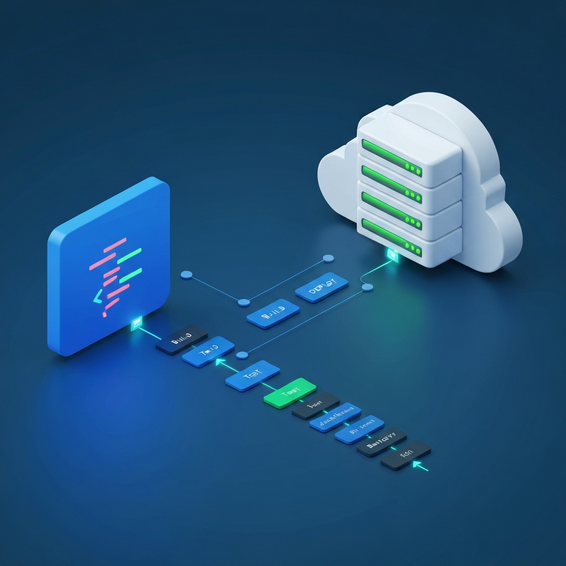
- Automate CI/CD with GitHub Actions: Releasing an update shouldn’t involve dragging and dropping files over a fragile FTP connection. Once you set up GitHub Actions, you can establish automated pipelines that run PHP linting, execute your test suites, and securely push your updated themes or plugins to the production server via SSH.
- Use WPGraphQL for Headless Development: If your goal is to decouple WordPress entirely, WPGraphQL effectively transforms your installation into a powerful GraphQL API. Today, this is the industry standard approach for efficiently querying backend database content to serve up to a Next.js, React, or Vue frontend application.
Best Practices
Acquiring the right tools is genuinely only half the battle. To truly protect your servers and maximize your site’s performance, you need to configure these utilities both securely and efficiently.
- Never Run Debuggers on Production: Because tools like Query Monitor and Xdebug consume massive amounts of server resources, they should never be left active on a live site. Double-check that all debug modes are strictly disabled in production to prevent accidentally exposing sensitive server paths to malicious attackers.
- Version Control Everything (Except Secrets): You should always be tracking the evolution of your custom themes and plugins using Git. That said, it is absolutely crucial to keep your sensitive configuration files out of your repository so you don’t leak production database credentials to the world.
- Automate Database Syncing: Because WordPress relies heavily on serialized data, manual database dumps are notoriously risky and prone to breaking. Make it a habit to use CLI scripts or specialized migration plugins that automatically calculate and handle serialized string replacements whenever you push or pull a database.
- Manage Cron Jobs Properly: By default, WordPress relies on a “virtual” cron system that only triggers when an actual user visits the website. For better reliability, disable this native behavior in your configuration file and set up a true server-side crontab to execute scheduled events consistently, such as every five minutes.
Recommended Tools / Resources
Ready to completely overhaul your development workflow? Here are a few premium resources and high-quality plugins that are undeniably worth the investment for serious developers:
- WP Migrate Pro: Widely considered the absolute industry standard, this plugin takes the stress out of pushing and pulling databases between local and live environments. It flawlessly manages complex serialized data and even handles your media file syncing.
- Advanced Custom Fields (ACF) Pro: If building custom themes is your primary focus, ACF Pro is a lifesaver. Features like its Repeater fields and Flexible Content blocks will effortlessly save you thousands of hours of tedious custom meta-box coding over your career.
- PHP_CodeSniffer: By integrating this directly into your favorite IDE, you can rest easy knowing your code is being actively evaluated to ensure it strictly follows WordPress formatting standards and modern security best practices.
- Kinsta DevKinsta: This is a fantastic alternative for local hosting, especially if you already deploy projects to modern cloud environments. It provides a remarkably seamless, Docker-powered local development experience right out of the box.
FAQ Section
What are the best wordpress developer tools for debugging?
For deep debugging, the most effective combination is usually Query Monitor for surface-level front-end and database inspection, paired with Xdebug for granular PHP execution tracing. Just remember to ensure these heavy-duty tools are strictly confined to your local or staging environments.
How do I safely manage WordPress databases locally?
Your safest bet is to rely on premium tools like WP Migrate Pro or lean on the built-in push/pull features found in modern local hosting environments. If you prefer a manual approach, utilizing the WP-CLI search-and-replace command is incredibly safe and guarantees you won’t accidentally break serialized PHP arrays while altering database URLs.
Do I need to know the command line to be a WordPress developer?
Technically, you can build very basic sites without ever touching a terminal. However, mastering WP-CLI and learning fundamental bash commands is really what separates casual hobbyists from seasoned professionals. Getting comfortable with the command line speeds up mundane administrative tasks tenfold and is strictly required if you want to run proper CI/CD deployments or handle your own server management.
Conclusion
Successfully navigating the endless complexities of custom site building practically demands an optimized, modernized workflow. When you take the time to upgrade your local environment, adopt strict version control, and embrace the power of command-line interfaces, you essentially eliminate the usual headaches associated with traditional site management.
Whether you’re carefully configuring Git deployments or just firing up Query Monitor to catch a badly coded plugin, integrating the best wordpress developer tools is guaranteed to drastically improve your efficiency, elevate your code quality, and preserve your overall sanity. Pick just one new tool to adopt this week—like WP-CLI, for instance—and watch how quickly your daily productivity soars.
About the Author