How to Improve Laptop Speed Windows: The Ultimate IT Guide
We’ve all been there: staring at a screen, waiting for a once-lightning-fast machine to finally boot up or launch a simple app. Dealing with a sluggish computer doesn’t just kill your productivity; it interrupts your entire workflow and causes unnecessary frustration. It doesn’t matter if you’re compiling code for a new application, managing massive databases, or simply browsing the web—performance is everything.
As time goes on, operating systems naturally get bogged down by leftover files, demanding background processes, and settings that are far from optimized. If you find yourself searching for exactly how to improve laptop speed windows, you’re in the right place. This in-depth guide covers everything from basic, everyday tweaks to advanced, IT-level optimizations designed to breathe fresh life into your aging hardware.
How to Improve Laptop Speed Windows: Why It Slows Down
Before we dive straight into the fixes, it’s incredibly helpful to understand why your Windows machine feels slower as the months go by. A mix of underlying technical issues usually drives this performance drop, and pinpointing the exact root cause makes solving it much easier.
Resource exhaustion is often the main offender. Because modern software is constantly evolving, newer applications require significantly more RAM and CPU power than they used to. When your system runs out of physical memory, Windows is forced to use a paging file on your hard drive. Since this is drastically slower than actual RAM, the entire system begins to stutter and feel unresponsive.
Next up is thermal throttling, which can absolutely tank your hardware’s capabilities. Laptops naturally have much tighter, less efficient cooling systems than large desktop towers. After years of use, dust builds up in the vents and the factory thermal paste starts to degrade, causing internal CPU temperatures to skyrocket. To protect itself, the processor lowers its clock speed automatically, forcing you into a situation where you suddenly need a laptop running slow fix.
Lastly, we have “software rot” and Windows’ built-in telemetry, both of which quietly drain your background resources. Things like unnecessary startup programs, hyperactive search indexing, and pre-installed bloatware constantly chew through valuable CPU cycles and disk input/output, slowly chipping away at your machine’s overall computing power.
Quick Fixes / Basic Solutions to Boost Laptop Speed
You definitely don’t need a computer science degree or systems administrator background to pull off these foundational tweaks. Here are some of the fastest, most effective ways to optimize a windows laptop and get an immediate performance boost.
- Disable Startup Programs: Hit
Ctrl + Shift + Escon your keyboard to pull up the Task Manager. Click over to the “Startup” tab and disable any applications you don’t strictly need right when the computer turns on. This alone can drastically cut down your boot time. - Turn On Storage Sense: Navigate to Settings > System > Storage and toggle on Storage Sense. This incredibly handy tool automatically sweeps away temporary files and clears out your recycle bin, ensuring your drive stays free of digital clutter.
- Adjust Power Settings: To save battery life, laptops usually default to “Balanced” or “Power Saver” profiles. Head into the Power Options in your Control Panel and switch this to “High Performance” so your CPU can run without artificial speed limits.
- Disable Visual Effects: Open your Start menu and search for “Advanced system settings.” Under the Performance section, click Settings and pick “Adjust for best performance.” This turns off heavy UI animations that make the OS look pretty but slow things down.
- Run Built-in Antivirus: Hidden malware or stealthy background crypto-miners will completely hijack your system resources. Run a comprehensive system scan with Windows Defender to confirm your digital environment is safe and clean.
Advanced Solutions: A Developer / IT Perspective
If you’ve already checked off the basics and are still starving for processing power, it’s time to look a little deeper under the hood. These advanced, technical modifications can dramatically speed up Windows 10 and Windows 11 environments.
1. Optimize Windows Telemetry and Background Apps
By default, Windows is always beaming diagnostic and usage data back to Microsoft’s servers. While the goal is to improve the operating system, this constant telemetry eats up both network bandwidth and CPU overhead. If you’re an advanced user, you can restrict this behavior using the Local Group Policy Editor (gpedit.msc).
Simply navigate to Computer Configuration > Administrative Templates > Windows Components > Data Collection and Preview Builds. From there, set “Allow Telemetry” to disabled. This is a crucial step in Windows 11 performance tuning and is highly recommended by IT professionals.
2. Upgrade Hardware: NVMe SSD and RAM
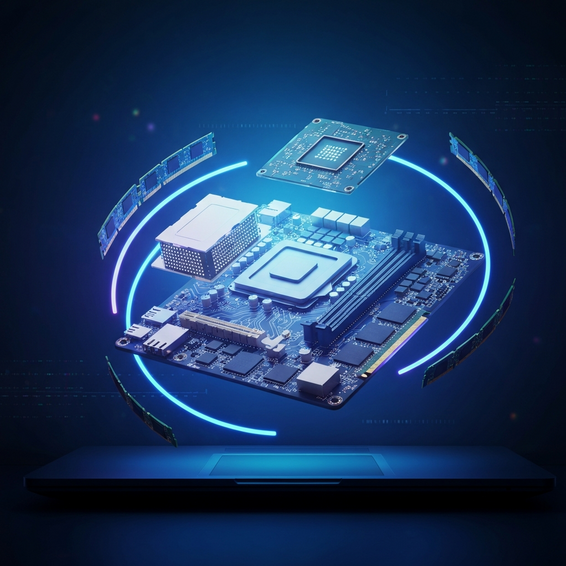
Let’s be honest: no amount of software tweaking can ever truly beat a raw hardware upgrade. If your goal is to permanently boost laptop speed, upgrading laptop RAM and SSD storage will absolutely give you the best return on your investment.
Swapping out an old mechanical hard drive (HDD) or a standard SATA drive for an NVMe M.2 SSD will completely transform your read and write speeds, bringing your boot times down to just a few seconds. Additionally, try to aim for 16GB to 32GB of dual-channel RAM, which is the perfect sweet spot for handling modern multitasking and heavy containerized workloads.
3. Modify the Paging File (Virtual Memory)
When your laptop frequently maxes out its physical memory, Windows starts offloading that data into a virtual paging file. By taking control and manually setting a static size for this file, you can help prevent disk fragmentation and lock in more consistent input/output speeds.
Go to Advanced System Settings > Performance > Advanced > Virtual Memory. Uncheck the box that allows Windows to manage it automatically, and enter a custom, static size instead. A good rule of thumb is setting it to roughly 1.5 times the amount of your physical RAM to establish a solid, stable baseline.
4. Stop Aggressive Background Processes
There are certain core services in Windows—like Windows Search (the indexing tool) and SysMain—that are notorious for causing those dreaded 100% disk usage spikes. If you want to stop background processes windows triggers on its own, you’ll need to dive into the Services console.
Launch the Services app by typing services.msc into your search bar. Find SysMain, right-click on it, and choose “Stop,” then change its startup type to “Disable.” You can do the exact same thing for Windows Search if you prefer relying on faster, lightweight third-party search tools.
Best Practices for Peak Performance
Keeping your computer snappy and responsive is an ongoing process. If you implement these daily habits and strategies, your machine will run smoothly for years without requiring a tedious, clean OS reinstall every twelve months.
- Strategic Updates: Make it a habit to keep your operating system and hardware drivers up to date. Installing the latest BIOS and motherboard chipset drivers often introduces critical microcode tweaks that can actually fix complex thermal throttling bugs.
- Smart Antivirus Exclusions: Take the time to add your active, heavy workspace folders (such as development build directories or Docker volumes) to your Windows Defender exclusions list. When antivirus software aggressively scans thousands of tiny source files, it severely drags down your disk’s performance.
- Avoid Snake-Oil Software: Steer clear of heavily advertised “PC Speed Boosters” or magical automated registry cleaners. Rather than helping, they usually cause serious damage by deleting vital registry keys your system needs to function.
- Monitor Hardware Health: Grab a can of compressed air and blow out your laptop’s cooling vents every six months. Keeping the airways clear is essential for maintaining optimal airflow and keeping operating temperatures low.
Recommended Tools / Resources
When it comes to safely monitoring and tweaking your system, skip the commercial bloatware. Instead, lean on these trusted, high-quality utilities that are heavily favored by IT experts.
- Sysinternals Autoruns: This is a fantastic, free tool provided by Microsoft that gives you a granular, detailed breakdown of exactly what is launching when your system boots up.
- CrystalDiskInfo: An absolute must-have diagnostic app for checking the S.M.A.R.T. status, overall health, and operating temperatures of your solid-state drives.
- HWMonitor: The perfect utility for keeping an eye on your processor temperatures, fan speeds, and voltage levels so you can easily spot hardware bottlenecks.
- Samsung 980 PRO NVMe SSD: A top-tier, reliable hardware upgrade that will practically eliminate boot delays.
- Crucial RAM Upgrade Kits: Highly cost-effective memory sticks that ensure you aren’t forced to rely on sluggish virtual memory.
FAQ Section
Does adding RAM make a laptop faster?
Yes, without a doubt. Upgrading your machine to 16GB or 32GB means you can comfortably keep significantly more programs open at the same time, all without forcing Windows to use your much slower hard drive as overflow storage.
Will upgrading to an SSD improve my Windows laptop speed?
Absolutely. Swapping out an old-school, spinning hard drive for a modern Solid State Drive is easily the most impactful upgrade you can make. It dramatically slashes your boot times and makes the whole operating system feel incredibly snappy.
How often should I restart my Windows laptop?
As a general rule of thumb, try to restart your laptop at least once a week. A fresh reboot kills off background processes that might be leaking memory and ensures that pending system updates are installed correctly.
Do registry cleaners actually improve Windows performance?
Not at all. Modern iterations of Windows are actually quite good at managing the registry all on their own. Third-party registry cleaners very rarely provide a measurable speed boost, and worse, they can accidentally corrupt your entire operating system.
Conclusion
Putting up with a sluggish computer is an incredibly frustrating ordeal, but a slow machine doesn’t necessarily mean you have to rush out and buy a brand-new one right away. By taking the time to understand your system’s resource bottlenecks and applying these IT-focused strategies, you can quickly bring your laptop’s performance back to life.
We recommend starting with the easiest foundational tweaks: get your startup items under control, optimize your power settings, and run a thorough disk cleanup. If you find that you still need a bit more horsepower, don’t be afraid to take the leap into physical hardware upgrades, like adding more RAM or dropping in a lightning-fast NVMe SSD.
At the end of the day, knowing how to improve laptop speed windows gives you the power to take full control over your own hardware. By following the steps laid out in this guide, you’ll guarantee a much smoother, high-performance computing experience—whether you’re tackling daily administrative tasks or pushing through demanding development workloads.
About the Author