The Ultimate WordPress Development Workflow for Developers
Still tweaking your functions.php file directly inside the live WordPress dashboard? Or maybe you are dragging and dropping files over FTP, crossing your fingers and hoping nothing crashes? If this sounds familiar, you definitely aren’t alone—but it’s time for an upgrade. Relying on “cowboy coding” is a fast track to broken websites, frustrating client downtime, and ultimately, lost revenue.
Creating a rock-solid WordPress development workflow for developers is an absolute must for modern web engineering. Without a structured system in place, teams inevitably run into nasty merge conflicts, accidentally overwritten database entries, and totally chaotic deployments. Setting up a reliable workflow slashes these risks, making sure your code makes the jump from your local machine to the live server without a single hiccup for your users.
In this guide, we’re going to break down exactly why standard WordPress development can feel so incredibly frustrating. Along the way, we’ll cover a few quick fixes to level up your daily coding habits, and then dive deep into advanced DevOps techniques—including Docker, WordPress-specific version control, and continuous integration pipelines.
Why Developers Struggle with WordPress Workflows
Unlike modern JavaScript frameworks or popular headless architectures, a traditional WordPress setup relies on a monolithic structure. Everything from your written content and site settings to your specific plugin configurations is deeply entangled within the MySQL database. Because of this heavily interconnected architecture, applying standard version control to WordPress becomes uniquely challenging.
The biggest headache usually comes down to how WordPress handles its operational data. Because absolute URLs are hardcoded directly into the database, simply migrating from a local wp dev environment (like localhost:8080) to a live production server (like example.com) will completely break the site. To fix it, you have to run a fairly complex search-and-replace operation every single time.
On top of that, user-uploaded media and dynamic plugin states only add to the versioning chaos. You can’t just fire off a standard git push command to update a site without meticulously managing your database migrations at the same time. Keeping media files—which live in the /wp-content/uploads/ folder—perfectly synced across every environment demands some serious infrastructure planning.
Quick Fixes for a Better Workflow
You don’t necessarily need a sprawling, enterprise-level DevOps pipeline to see an immediate boost in your day-to-day work. Whether you are a solo freelancer or part of a small agency team, putting these highly actionable steps into practice will instantly upgrade how you build sites.
- Use a Dedicated Local Environment: It’s time to move past generic XAMPP or MAMP setups. Instead, adopt specialized tools like Local (formerly Local by Flywheel) or DDEV. These platforms automatically provision isolated PHP and MySQL environments that are explicitly tailored for optimal WordPress performance.
- Track Only What Matters with Git: Avoid the temptation to track WordPress core files inside your version control wp repository. Simply set up a
.gitignorefile in your project’s root directory and exclude everything except your custom themes and plugins. Ideally, your repository should strictly hold the unique code you actually write. - Automate Database Pushing and Pulling: Take advantage of advanced migration plugins like WP Migrate DB Pro. These clever applications automatically handle the headache of complex, serialized data search-and-replace tasks, letting you safely pull a live production database straight down to your local machine.
Advanced Solutions: The Ultimate WordPress Development Workflow for Developers
If you are an IT professional, senior engineer, or part of a larger agency, a basic local setup just won’t cut it. You need a highly automated, immutable infrastructure approach. This is exactly where advanced DevOps methodologies step in to completely transform your day-to-day operations.
1. Modern Dependency Management with Composer
Out of the box, standard WordPress doesn’t natively support package managers, even though modern developers rely on them every single day. By embracing a modern boilerplate like Bedrock by Roots, you gain the ability to manage your WordPress core files, third-party plugins, and themes entirely through Composer.
Because of this structural shift, your wp-content/plugins directory gets completely ignored by Git. Instead, your composer.json file acts as the source of truth, dictating exactly which plugins should be installed. This brilliant setup guarantees that every developer on your team uses the exact same plugin versions, wiping out those annoying merge conflicts caused by mismatched environments.
2. Implementing a Docker WordPress Environment
If you want to finally kill the classic “well, it works on my machine” excuse, transitioning to containerization is the way to go. Firing up DDEV or crafting a custom Docker WordPress docker-compose.yml file ensures your local environment is an identical twin to your production server.
Docker lets you lock in the exact PHP version, Nginx or Apache configurations, and MariaDB instances that your hosting provider uses. Once your whole team is running the exact same Docker containers, debugging weird, environment-specific errors becomes a thing of the past.
3. Building a CI/CD WordPress Deployment Pipeline
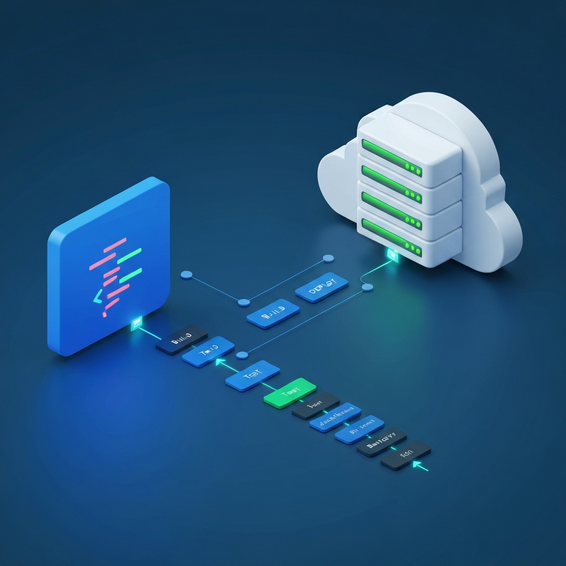
It’s time to officially retire manual code deployments via FTP or clunky cPanel file managers. A truly professional workflow leans on robust Continuous Integration and Continuous Deployment (CI/CD) practices. Platforms like GitHub Actions, GitLab CI, or Bitbucket Pipelines are perfect for completely automating your WordPress deployment pipeline.
Think about the magic of merging a pull request into your main branch and watching a proper CI/CD wordpress pipeline spring to life. It can automatically run your PHPUnit tests, lint the code to ensure it meets strict WordPress standards, compile your SCSS and JavaScript assets via Webpack or Vite, and gracefully push the production-ready build to your server using secure SSH and rsync protocols.
Best Practices for Security and Performance
Upgrading your development workflow isn’t just about speeding up how fast you write code; it’s fundamentally about locking down your web infrastructure. Below are a few essential best practices you should be enforcing across every project you touch.
- Use Environment Variables: Never hardcode your API keys, database credentials, or salt keys directly into your
wp-config.phpfile. Instead, use a.envfile (which comes natively supported if you use the Bedrock stack) to keep those sensitive secrets securely hidden from your Git repository. - Disable File Editing on Production: As soon as your automated deployment pipeline is up and running, drop
define('DISALLOW_FILE_EDIT', true);into your production configuration. Doing this stops users, enthusiastic administrators, and potential hackers from tweaking theme or plugin files right from the live WP Admin dashboard. - Implement Strict Environment Separation: Get into the habit of maintaining three distinct environments: Local (where you write and compile code), Staging (for client approvals and integration testing), and Production (the actual live, public-facing site). Make it an absolute rule to never push untested code straight to production.
- Automate Backups Before Deployments: Bake pre-deployment database backups right into your CI/CD pipeline. If something goes terribly wrong during a code push, having an automated rollback strategy in your back pocket ensures your site experiences minimal downtime.
Recommended Tools and Resources
Successfully rolling out this kind of robust workflow means having the right tools in your tech stack. Here are our favorite recommendations for developers eager to optimize their daily coding grinds.
- Local Development: DDEV easily takes the top spot for Docker-based WordPress development, offering incredibly fast configuration and seamless integration with modern caching tools.
- Database Syncing: WP Migrate is still the undisputed gold standard for pushing and pulling databases without accidentally destroying complex serialized data structures.
- Server Management: SpinupWP serves up lightning-fast, highly developer-friendly cloud server management that feels custom-tailored for modern, automated WordPress deployments.
- Version Control & Automation: Pairing GitHub with Buddy CI/CD creates incredibly intuitive, visual pipelines. It’s a fantastic setup for web developers who crave powerful automation but want to skip the steep learning curve.
Frequently Asked Questions (FAQ)
What is the best local environment for WordPress?
If you’re a beginner or a non-technical designer, Local (by WP Engine) is hands down the easiest and most user-friendly option out there. However, if you are a senior developer or part of a team juggling complex dependencies, leaning into DDEV or building custom Docker compose configurations will give you much better flexibility, speed, and environment parity.
Should I commit WordPress core files to Git?
The short answer is no—you really shouldn’t commit WordPress core files to your version control repository. You only want to track your custom themes, bespoke plugins, and specific configuration files. Keeping the core files out of Git keeps your repository lightweight, boosts your security, and makes updating the core WordPress software a breeze.
How do I manage the database in a Git workflow?
It’s important to remember that Git was designed to track plain text code, not massive, binary database files. To handle databases properly, developers should pull the live production database down to their local environment for testing. For any structural changes, rely on scripted database migrations or dedicated search-and-replace tools like WP Migrate.
How do I handle user-uploaded media files locally?
Any media files sitting in your wp-content/uploads directory should definitely be ignored by Git. If you want to see those images locally without downloading gigabytes of media data every single week, you can use plugins or simple Nginx configurations to proxy missing images straight from the live server over to your local setup.
Conclusion
Making the leap from risky cowboy coding to a beautifully structured WordPress development workflow for developers does require an initial upfront investment of your time and energy. But the long-term professional payoff is absolutely massive. You will cure your deployment anxiety, massively streamline how your team collaborates, and drastically improve the stability of your clients’ websites.
Don’t feel like you have to do it all at once—start small. Set up a dedicated local environment first, and get some basic Git tracking going for your custom themes. As you get more comfortable, you can start integrating Composer for modern dependency management or playing around with GitHub Actions for automated CI/CD deployments. Once you start treating WordPress exactly like a true modern web application, you’ll unlock a faster, safer, and much more enjoyable engineering experience.
About the Author